Rating TV Therapists From Best to Worst (A Real Therapist’s Take)
If you’ve ever watched a therapy scene on a TV show and thought, “Wait… is that how therapy works?” you’re not alone.
As a therapist, I love seeing mental health represented in TV and movies. It helps normalize therapy, reduce stigma, and get people curious about their own growth. At the same time, a lot of what we see on screen is… let’s just say creative license.
TV therapists are often written to move the plot forward, not to model ethical, evidence-based care. That means they can be insightful, dramatic, boundary-crossing, or wildly unrealistic. Sometimes all at once.
So let’s have some fun and rank a few iconic TV therapists from best to worst, with a mix of appreciation, side-eye, and clinical honesty.
The Gold Standard (or Pretty Close)
Dr. Sharon Fieldstone — Ted Lasso
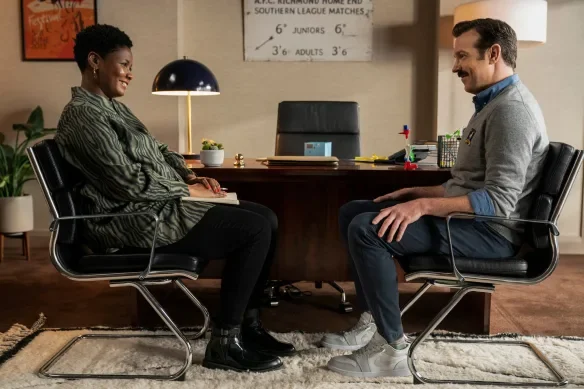
Dr. Sharon is a rare gem. She models strong boundaries, doesn’t rush the process, and allows clients to come to insight at their own pace. She tolerates discomfort instead of trying to “fix” everything immediately, which is actually a huge part of good therapy.
She also maintains appropriate emotional distance while still being warm and human. That balance is hard to portray, and this show does it well.
Why she works:
Clear boundaries
Client-centered pacing
No unnecessary self-disclosure
Actually feels like real therapy
Solid, With Some Caveats
Dr. Jennifer Melfi — The Sopranos
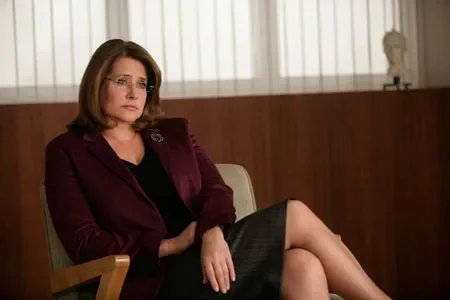
Dr. Melfi is one of the most nuanced portrayals of a therapist on television. She maintains professionalism under intense pressure and works with an extremely complex client in Tony Soprano.
She struggles at times with countertransference, which is very real and very human. The show actually does a great job of illustrating how therapists are impacted by their clients.
Ethically, she mostly stays within bounds, though there are moments where you can feel the tension between clinical judgment and personal reaction.
Why she works:
Realistic therapist struggles
Strong ethical awareness
Long-term therapeutic relationship that evolves over time
Dr. Linda Martin — Lucifer

Dr. Linda is compassionate, insightful, and honestly very patient considering she is treating the literal Devil.
She offers meaningful reflections and helps clients build insight, which is great. However, her boundaries… get blurry. Personal involvement and dual relationships become an issue, which would be a serious ethical concern in real life.
Still, she models something important. Therapy can be a space where people feel deeply understood without judgment.
Why she works (and doesn’t):
Strong empathy and insight
But significant boundary crossings
Great character, questionable ethics
Entertaining but Questionable
Jimmy Laird — Shrinking
Jimmy is a therapist who decides to start saying exactly what he thinks to his clients, throwing traditional boundaries and therapeutic approaches out the window.
Is it entertaining? Absolutely. Is it ethical? Not really.
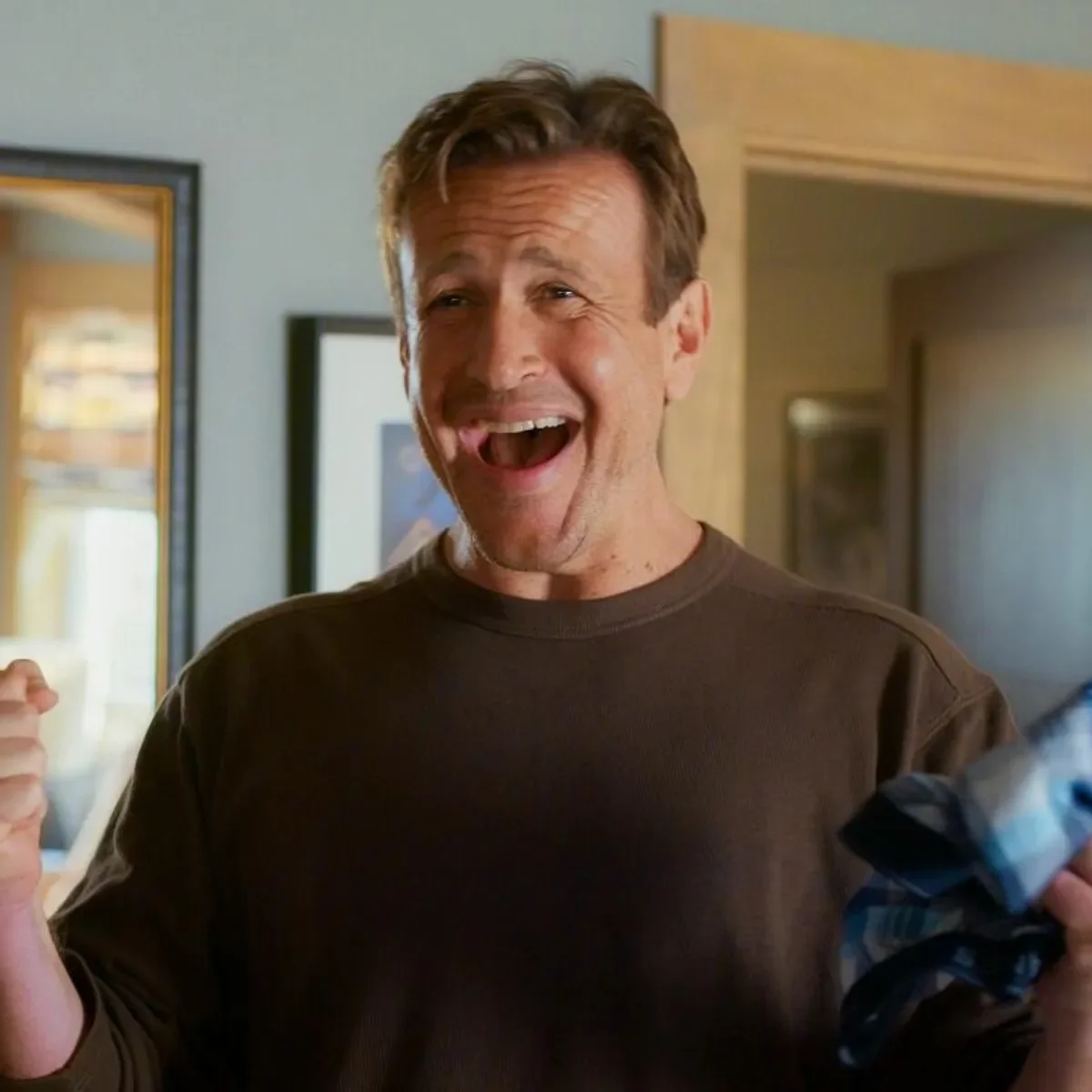
He becomes overly involved in his clients’ lives, crosses professional lines, and inserts himself into situations in ways that would not be appropriate in real therapy. That said, the show highlights something real underneath the chaos, which is the desire for authenticity and genuine human connection.
Clients do benefit from honesty and realness in therapy. But that has to exist within a framework of boundaries, consent, and clinical judgment.
Why he’s complicated:
Prioritizes honesty and connection
But frequently crosses boundaries
Therapy becomes more about him than the client at times
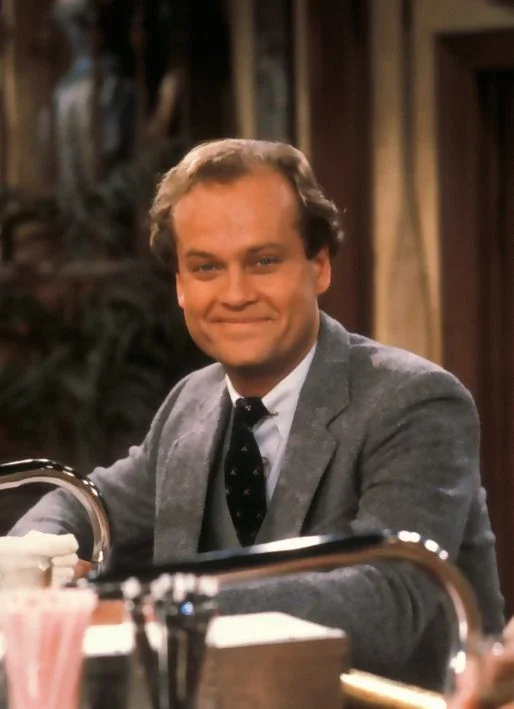
Dr. Frasier Crane — Frasier
Frasier is brilliant, articulate, and deeply human. He gives advice more than he does therapy, which makes sense given the format of the show.
In reality, therapy is not about quick, witty solutions or intellectual analysis alone. It involves emotional processing, behavior change, and a lot more listening than talking.
Why he lands here:
Insightful but overly advice-driven
More entertainment than therapy
Blurs professional and personal roles
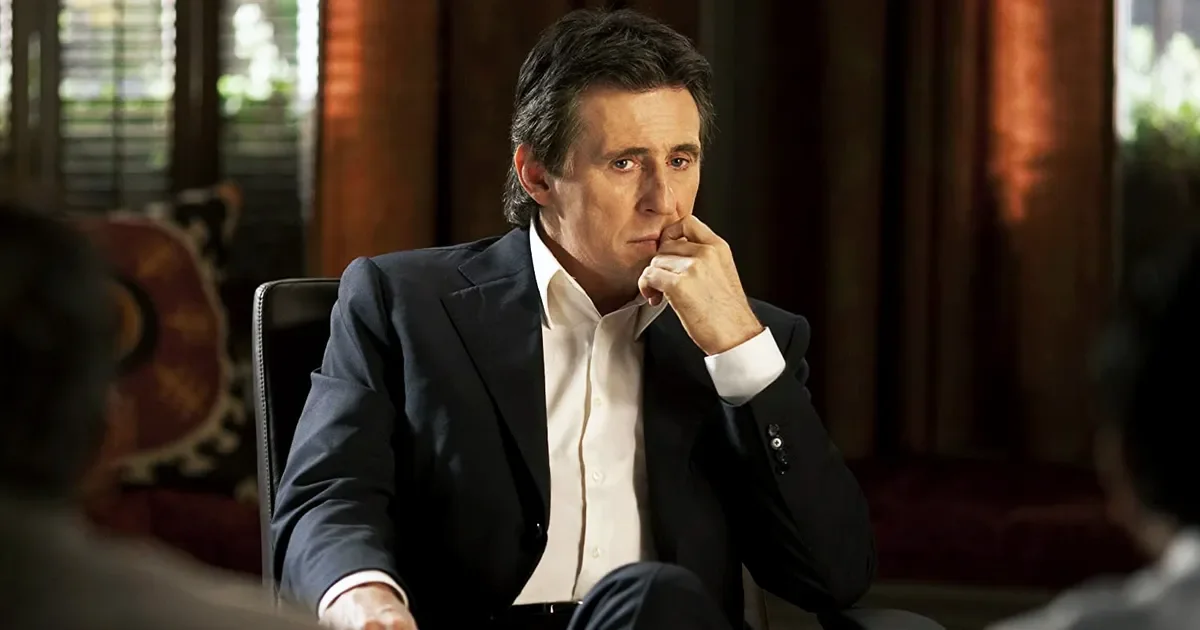
Dr. Paul Weston — In Treatment
This one is interesting because the show is literally built around therapy sessions. It gets a lot right in terms of pacing, depth, and emotional exploration.
But Dr. Weston repeatedly crosses boundaries, gets overly involved, and struggles to separate his own issues from his clients’ needs.
Why he’s complicated:
Realistic therapy structure
Strong emotional depth
Ongoing ethical concerns
Yikes… We Need to Talk
Dr. Nicky — You
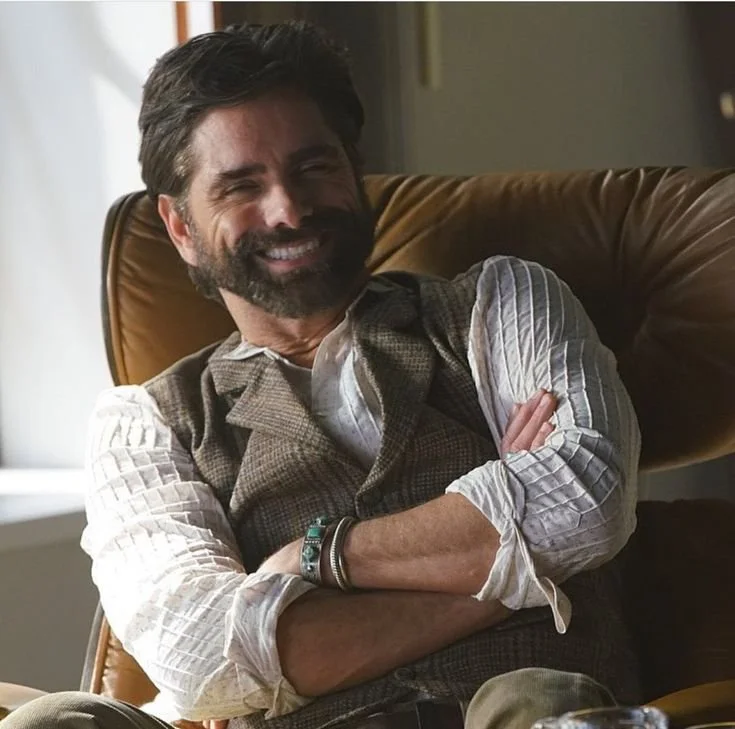
Dr. Nicky is one of those therapists where, at first glance, things seem… fine. He’s warm, engaged, and clearly trying to connect. But as the story unfolds, the ethical violations become impossible to ignore.
He enters into a sexual relationship with a client, which is one of the most serious breaches of professional ethics. Full stop. There is no gray area here. This is harmful, exploitative, and deeply unethical.
What makes this portrayal especially important is that it doesn’t start off looking extreme. It shows how blurred boundaries and emotional entanglement can escalate into real harm.
Why this matters:
Clear exploitation of the therapeutic relationship
Harm disguised as “connection”
Reinforces why strong boundaries are essential in therapy
So… How Does TV Therapy Affect Us?
Here’s where this actually matters.
The way therapy is portrayed in media can shape how people feel about seeking help in real life.
If therapy looks like instant advice, dramatic breakthroughs, or blurred boundaries, people may:
Expect quick fixes instead of gradual change
Feel disappointed when therapy takes time
Misunderstand the importance of boundaries and ethics
Or avoid therapy altogether if it’s portrayed negatively
At the same time, positive portrayals can do the opposite. They can normalize vulnerability, highlight growth, and make therapy feel more approachable.
A Quick Reality Check
Real therapy is not always cinematic.
It is slower. It is collaborative. It involves learning skills, building insight, and practicing change over time. It also follows ethical guidelines that protect you, including boundaries, confidentiality, and professional standards.
And yes, therapists are human. But good therapy does not center the therapist’s needs or blur lines for the sake of connection.
Final Thoughts
TV therapists can be insightful, chaotic, comforting, or completely unrealistic. And that is okay. They are characters, not clinicians.
But if you’ve ever been curious about therapy, don’t let TV be your only reference point. The real experience is often more grounded, more empowering, and more effective than what you see on screen.
If you’re thinking about starting therapy and want a space that is supportive, structured, and actually tailored to you, I’d love to help.
You can reach out to schedule a session and start working toward real, lasting change.
Related Articles: Parasocial Relationships: When Being a Fan Becomes Personal
Why We Love True Crime: The Psychology Behind the Obsession
Supernatural: The Power of Fandom for Mental Health
Why We Cry Over Fictional Deaths: The Science of Emotional Attachment in Fandom
Mother-Daughter Dynamics: The Good, The Bad, and the Gilmore